The Disc Golf Plastic Problem Has a Solution
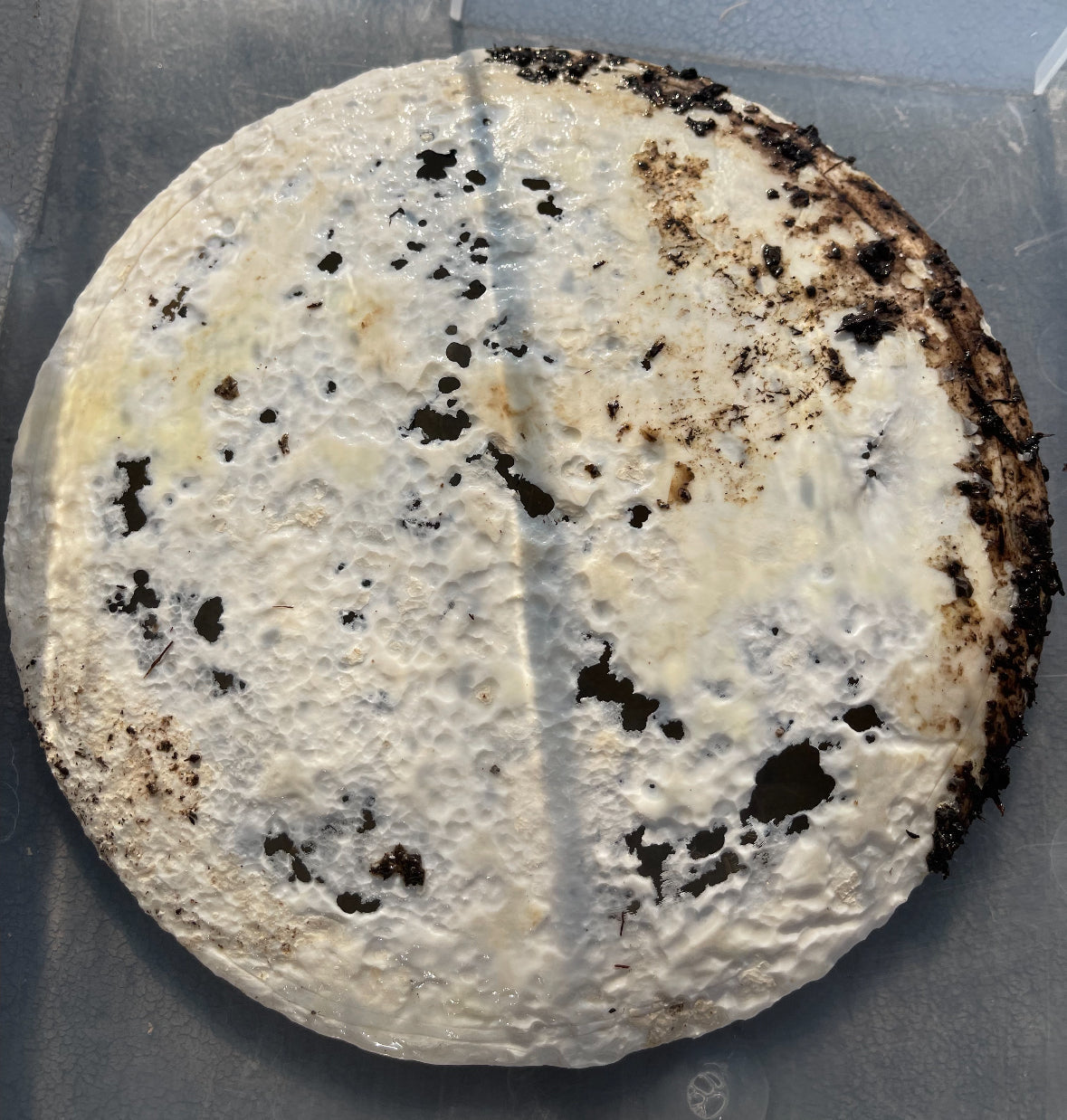
Disc golf has a plastic problem. Not the kind that makes headlines, but the kind that accumulates quietly in the woods, in ponds, and along creek beds on every course in the world.
Every round of disc golf ends with most discs making it back to the bag. But not all of them. Some sail out of bounds and land somewhere unreachable. Some roll into the water and sink. Some get swallowed by the rough and never surface. It happens on every course, every weekend, to players at every skill level. Over time those discs add up.
Where the Discs Go
Every disc golfer loses discs. It is part of the sport. They go into water hazards, deep woods, thick brush, and over fences. Some get retrieved. Most do not. Across thousands of courses and millions of rounds played every year, the volume of discs permanently entering natural environments is significant and almost entirely untracked.
Most of those discs are made from conventional petroleum-based plastics. In natural environments those materials do not break down. They fragment into smaller and smaller pieces over hundreds of years, eventually becoming microplastic that enters the soil and water and works its way into the food chain.
This is not a theoretical problem. It is happening right now, on courses built in parks, forests, and conservation areas. The same environments disc golfers love and vote to protect are quietly accumulating plastic from the sport itself.
Why Conventional Disc Plastics Are the Problem
The plastics most disc golf discs are made from were designed for durability. That is what makes them good disc golf discs. A conventional disc can survive years of throws, tree hits, and ground strikes without cracking or warping. The same properties that make it durable on the course make it persistent in the environment. A lost disc made from conventional plastic will outlast the sport. It will outlast the course it was lost on. It will outlast the players who threw it.
Recycled plastic lines are a step in the right direction. They reduce the demand for virgin petroleum-based material. But a recycled disc that ends up in a water hazard is still there in 100 years. Recycling addresses where the material comes from. It does not address what happens when it enters the environment. For that, the only real answer is biodegradable disc golf discs made from materials that can actually break down in natural environments.
The Hubble PHAse 1: The First PHA Disc Golf Disc
On February 23, 2026, the Hubble PHAse 1 became the first disc golf disc in history to receive PDGA approval in PHA material, making biodegradable disc golf discs a reality in sanctioned play for the first time. PHA, short for polyhydroxyalkanoates, is a bioplastic produced by bacteria fermenting plant-based feedstocks. It is the only plastic certified to biodegrade in soil, freshwater, and marine environments without leaving microplastic residue. Unlike other bioplastics, which require industrial composting facilities to break down, PHA degrades in natural environments. The same environments where disc golf is played.
A disc made from PHA that ends up lost in a pond or buried under leaves in the woods will eventually break down. Not quickly, not overnight, but within a timeframe that is measured in years rather than centuries.
Getting PHA to perform at the level disc golf demands took years of development and a level of process expertise that does not come from simply sourcing a different material. The manufacturing challenges are significant, the tolerances are unforgiving, and small deviations at any stage produce discs that do not fly as they should. The Hubble PHAse 1 is the result of solving all of that. A disc that plays like any other driver and leaves a fundamentally different footprint if it gets lost.
What This Means for the Sport
Disc golf has made genuine progress on sustainability. The PDGA Throw Green initiative has raised awareness. Manufacturers have introduced recycled plastic options. Courses are built with environmental stewardship in mind. But none of those efforts address what happens to the discs that never come back.
PHA does. The plastic problem disc golf has been quietly ignoring now has a practical answer.
The discs that do not make it back to the bag have always been part of the sport. What they leave behind does not have to be.